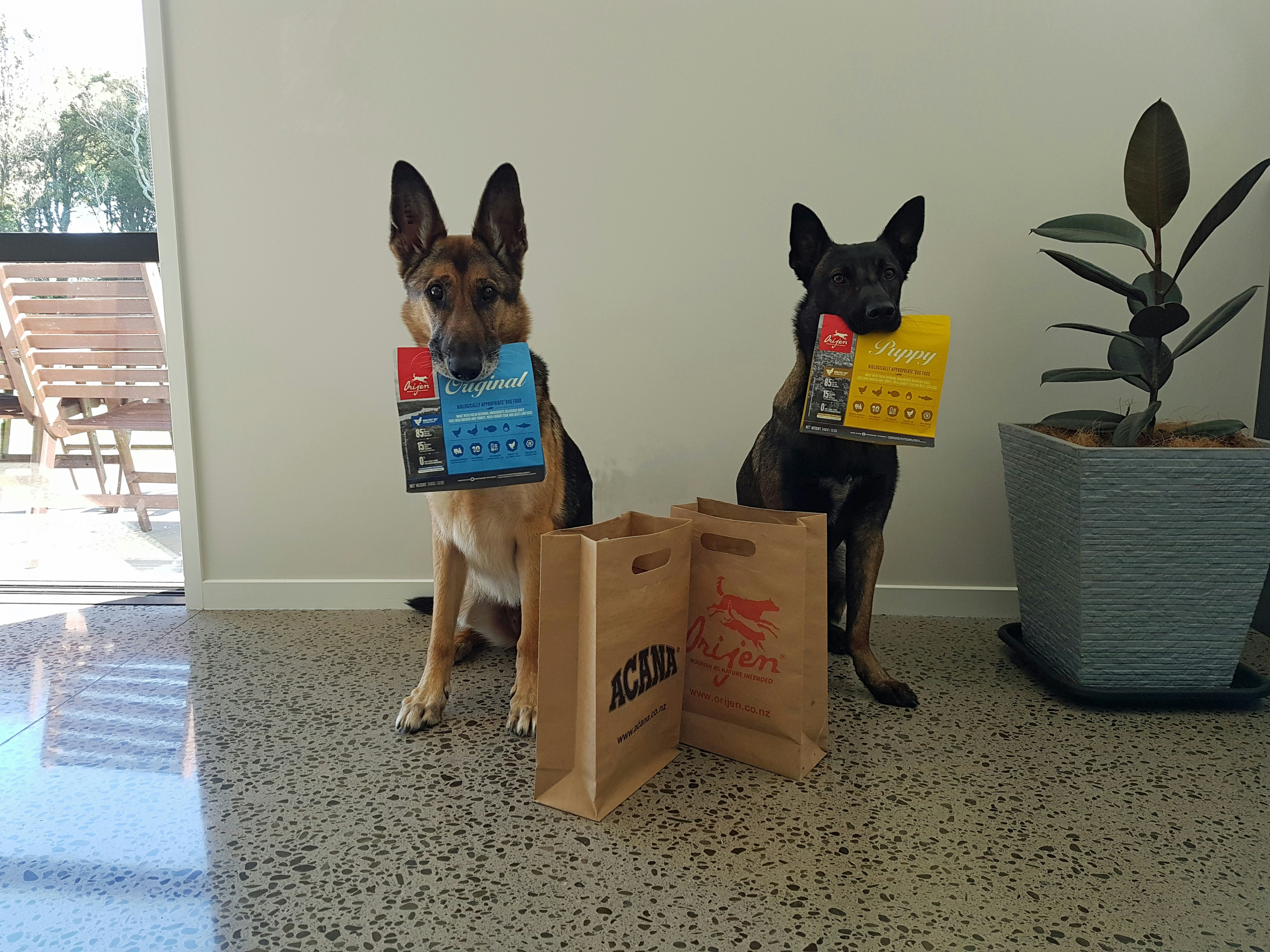
Introduction to Dog Food and Hygiene
Understanding the connection between dog food and hygiene is essential for any dog owner looking to maintain their pet’s health and well-being. The diet that dogs consume significantly influences not only their overall health but also the bacteria and pathogens they may encounter in their living environment. When pet owners make informed choices about the food they provide, they play a pivotal role in promoting better hygiene practices.
The importance of maintaining a hygienic environment for dogs cannot be overlooked. A clean space aids in preventing the growth of harmful bacteria that can result from unconsumed food, spills, or inadequate cleaning. Moreover, the type of dog food provided can influence how these factors interact. For example, certain dry foods will leave less residue than wet foods, contributing to a cleaner feeding area.
An often overlooked aspect is the interaction between diet and the immune system. A balanced diet rich in nutrients can strengthen a dog’s immune defenses, making it less susceptible to infections that might thrive in unsanitary conditions. Furthermore, a diet high in probiotics can improve gut health, potentially reducing the risk of gastrointestinal issues and enhancing the dog’s ability to ward off pathogens.
Incorporating high-quality, nutritious dog food into your pet’s diet directly correlates with reducing health risks associated with poor hygiene. This connection highlights the necessity for pet owners to not only focus on the nutritional value of their dog’s food but also on how it affects their overall living conditions. Therefore, understanding the relationship between dog food and hygiene is crucial for providing a safe, healthy environment for our furry companions.
The Importance of Quality Dog Food
Choosing high-quality dog food is crucial for maintaining the overall health and well-being of your canine companion. The right dog food not only provides essential nutrients but also significantly impacts other aspects of their hygiene and health. Feeding your dog nutritious food ensures better digestion, which can lead to fewer gastrointestinal problems and improved absorption of nutrients. This can also result in firmer stools, reducing messiness during potty breaks.
Moreover, a balanced diet can enhance your dog’s immunity, making them less susceptible to diseases and infections. High-quality dog foods typically contain ingredients that support the immune system, such as antioxidants, vitamins, and minerals. This is particularly important for puppies and senior dogs, whose immune systems may require additional support. When selecting dog food, it is vital to look for specialized formulations that cater to your dog’s age, breed, and health status.
It is equally essential to read labels carefully to identify beneficial ingredients and avoid harmful additives. High-quality dog food should include real meat as the primary ingredient, along with whole grains, vegetables, and healthy fats. Ingredients to look for include named protein sources like chicken, beef, or fish, as well as whole grains such as brown rice or oats. These components are vital for nourishing your dog and maintaining their vitality.
Conversely, it is crucial to avoid dog foods that contain fillers, artificial preservatives, or by-products. These ingredients can contribute to health issues like obesity, allergies, and poor digestion. Ultimately, investing in quality dog food can lead to a healthier and happier dog, contributing positively to their hygiene through better overall health.
How Poor Nutrition Affects Hygiene
Nutrition plays a crucial role in maintaining a dog’s overall health and hygiene. When dogs are provided with poor-quality food or an unbalanced diet, they can suffer from various health issues that can lead to unsanitary conditions. One of the primary consequences of inadequate nutrition is obesity. Overweight dogs often struggle with grooming themselves effectively, leading to a buildup of dirt and debris in their fur. Additionally, obesity can exacerbate other health problems, creating a cycle that further affects their hygiene.
Another significant issue associated with poor nutrition is dental health. A diet that lacks essential nutrients can contribute to the development of dental problems, including plaque buildup, gum disease, and even tooth loss. These dental issues can result in bad breath and discomfort, making it more difficult for dogs to maintain oral hygiene. Furthermore, dental health directly affects overall health. Infections stemming from the mouth can lead to systemic issues, posing a greater risk to a dog’s well-being.
Digestive disorders are also common in dogs that are not receiving proper nutrition. Low-quality food or food allergies can result in gastrointestinal issues such as diarrhea or vomiting. These conditions not only cause discomfort but can also create a messy and unhygienic living environment. When a dog’s digestive system is unbalanced, it leads to frequent accidents, which can create unsanitary conditions within the home.
Therefore, it is essential for dog owners to prioritize a balanced and nutritious diet for their pets. By ensuring that dogs receive high-quality food that meets their dietary needs, owners can help maintain the dog’s overall hygiene, prevent health complications, and promote a healthier and happier life.
The Role of Hygiene in Dog Food Preparation
Maintaining proper hygiene during the preparation of dog food is crucial for ensuring the health and safety of pets. Whether preparing food at home or manufacturing it on a larger scale, stringent sanitation practices must be observed to prevent contamination and foodborne illnesses. In home-cooked meals, pet owners should adhere to basic hygiene standards such as washing hands before handling food, using clean utensils, and ensuring that the preparation area is sanitized. This not only protects the food but also minimizes the risk of transmitting harmful bacteria or viruses to the dog.
When considering commercially produced dog food, manufacturers are obligated to follow strict regulations designed to uphold food safety and hygiene standards. This includes sourcing ingredients from reputable suppliers, conducting regular inspections of their facilities, and ensuring that all equipment used in production is maintained in a sanitary condition. Implementing Hazard Analysis and Critical Control Points (HACCP) systems helps manufacturers identify potential hazards in their food preparation processes, ensuring that each stage from sourcing to packaging is executed with a high emphasis on cleanliness.
Additionally, the storage of ingredients and finished products is pivotal. Temperature control is vital in preventing the growth of harmful bacteria. Ingredients should be stored at appropriate temperatures, and proper storage practices should be adopted to avoid cross-contamination. Both home cooks and manufacturers should educate themselves on best practices regarding shelf life and food expiration to ensure that dogs are provided with fresh and safe meals.
In conclusion, the role of hygiene in dog food preparation cannot be overstated. By following strict sanitation protocols and prioritizing cleanliness, both home cooks and manufacturers can contribute to the overall health and well-being of dogs, ensuring that they receive nutritious and safe food.
Clean Feeding Practices
Ensuring proper hygiene during your dog’s feeding routine is essential for their health and well-being. Implementing clean feeding practices not only promotes good hygiene but also maximizes the nutritional benefit of the food provided. Here are several recommendations to maintain a clean feeding environment:
First and foremost, always use clean and sanitized feeding bowls. It is advisable to wash the bowls daily with hot, soapy water to eliminate any bacteria or food residues. Stainless steel or ceramic bowls are ideal options as they are less porous and easier to clean compared to plastic bowls. Additionally, consider keeping a designated area for feeding your dog, which can be easily cleaned and free from clutter. This will also help you monitor your pet’s feeding habits more effectively.
Proper handling of dog food is another critical aspect of clean feeding practices. When purchasing commercial dog food, ensure it is stored in a cool, dry place to prevent spoilage. Always check expiration dates and use the food within the recommended time frame. If you prepare homemade meals or treats, be sure to follow safe food handling guidelines, such as washing your hands before and after preparation and avoiding cross-contamination with human food.
To further prevent any potential health issues, avoid letting your dog eat directly from the table or areas where human food is prepared. This practice can lead to cross-contamination, whereby harmful bacteria from human food may transfer to your dog’s food. Instead, encourage your dog to eat in their designated space. By doing so, you will not only keep the feeding area hygienic but also create a structured environment for your pet during mealtime.
In conclusion, maintaining cleanliness during feeding times is crucial for your dog’s health. By following these clean feeding practices, you can help provide a safe and hygienic eating experience for your furry companion.
The Impact of Food Storage on Hygiene
Proper storage of dog food plays a critical role in maintaining hygiene and ensuring that pets receive a safe and nutritious diet. Proper food storage methods can significantly reduce the risk of spoilage, mold growth, and pest infestation, which can adversely affect a dog’s health. For dry dog food, it is recommended to transfer the contents from the original packaging into an airtight container. This practice not only keeps the food fresh but also prevents exposure to moisture and contaminants that can lead to mold development.
When it comes to wet dog food, it is essential to handle it with care. Once the can is opened, any leftover food should be stored in the refrigerator in a sealed container. Wet food that is left at room temperature for extended periods can quickly lead to bacterial growth, compromising hygiene. Therefore, ensuring that any opened cans are refrigerated and consumed within a few days is vital for maintaining a safe diet for pets.
In addition to preventing spoilage, proper food storage also helps in keeping pests at bay. Insects and rodents can be attracted to both dry and wet dog food, especially if it is not securely stored. By using airtight containers, pet owners can significantly minimize the chances of attracting unwanted guests into their storage areas. Regularly cleaning storage spaces and periodically checking on the condition of the food can also contribute to maintaining a hygienic environment.
In conclusion, implementing best practices for food storage is paramount for ensuring that both dry and wet dog food remains safe for consumption. By taking these measures, pet owners can protect their canine companions from potential health risks associated with spoiled or contaminated food.
Regular Hygiene Practices for Dogs
Maintaining proper hygiene for dogs is essential for their overall health and well-being, especially when complemented by a nutritious diet. Regular brushing of a dog’s coat not only removes loose hair and debris but also distributes natural oils that promote a healthy, shiny coat. Depending on the breed, the frequency of brushing may vary; long-haired dogs typically require more regular grooming than short-haired breeds. This practice also serves as an opportunity to inspect the skin for signs of irritation, parasites, or allergies, which can be linked to dietary issues.
Bathing is another vital component of canine hygiene. It helps remove dirt, allergens, and excess oils from the skin, contributing to better skin health. While bathing frequency may depend on the dog’s activity level and coat type, it is generally advisable to bathe dogs every month or so. A balanced diet can enhance skin condition, but bathing too often may strip away essential oils, leading to dryness and irritation. Therefore, it is important to strike a balance to ensure that a dog’s skin remains healthy and free from infections.
Dental care is equally important in the spectrum of dog hygiene. Regular teeth brushing can help prevent dental diseases, which are common in dogs and can lead to more severe health issues. Incorporating various dental chews can also assist in maintaining oral health and freshening breath. A nutritious diet enriched with specific nutrients can further support dental hygiene. A dog’s overall health is impacted by its oral care, which is often overlooked yet essential for preventing systemic health problems.
Incorporating these hygiene practices—brushing, bathing, and dental care—regularly creates a comprehensive hygiene routine that works in conjunction with a balanced diet. Together, they contribute significantly to a dog’s physical health, comfort, and quality of life.
Signs of Poor Hygiene Related to Dog Food
Maintaining proper hygiene in dogs is vital for their overall health and wellbeing. However, inadequate dog food can lead to several hygiene issues that manifest through various signs. One of the most apparent indicators is the presence of digestive problems. This may include symptoms such as frequent vomiting, diarrhea, or even constipation. If your dog experiences any of these issues consistently, it could be a sign that their diet is lacking in essential nutrients or contains harmful additives that negatively impact their digestive health.
Skin problems are another common sign of poor hygiene related to the dog’s diet. If you notice excessive itching, redness, hair loss, or the presence of sores on your dog’s skin, these can be indications that the food they are consuming is not suitable for them. Allergies to certain ingredients in dog food are prevalent, and they can lead to skin conditions that require immediate attention from a veterinarian.
Moreover, unusual odors can also signify poor hygiene as a consequence of an improper diet. A healthy dog usually has a mild, pleasant smell. However, if your dog’s breath becomes foul, or you notice an unpleasant odor emanating from their coat or skin, it could suggest that they are consuming low-quality food or are suffering from dental issues stemming from their diet.
These warning signs should prompt dog owners to evaluate their pet’s food closely. It is essential to monitor any changes in behavior, appearance, or overall health. Should these symptoms persist, seeking veterinary care is crucial to address potential dietary concerns and ensure that your dog receives the necessary treatment. By paying attention to these signs, dog owners can maintain their pets’ hygiene and overall health.
Conclusion and Call to Action
Understanding the intricate connection between dog food and hygiene is essential for every dog owner. The dietary choices we make for our pets have profound implications not only on their physical health but also on their hygiene. Nutritional quality influences digestion, skin health, and the overall well-being of our canine companions. For instance, high-quality dog food rich in omega fatty acids can significantly enhance skin quality, potentially reducing dermal issues and associated hygiene challenges.
Moreover, a balanced diet contributes directly to oral and dental health, which are critical components of canine hygiene. By providing appropriate nutrition, we can assist in preventing dental diseases that can lead to more severe health issues. Regular veterinary check-ups, combined with a careful selection of dog food, can prove remarkably beneficial in maintaining an optimal hygiene level for our dogs.
In light of these considerations, dog owners are urged to adopt a proactive approach to their pet’s nutrition and hygiene. This includes examining the ingredients in dog food and selecting products that promote better health. Additionally, regular grooming, dental care, and bathing should be integral elements of any responsible pet care routine. By prioritizing nutrition and hygiene practices, owners can facilitate happier and healthier lives for their dogs.
Act now to ensure that your dog enjoys the benefits of high-quality nutrition and good hygiene. Reassess your current dog food and hygiene practices, and make adjustments that positively impact your pet’s well-being. The correlation between nutrition and hygiene is clear, and your actions today can lead to a healthier future for your beloved companion.